
What keeps Christians weak and unproductive?
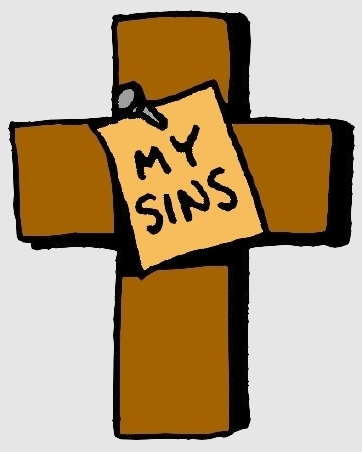
If you were the devil and you wanted to keep Christians barren, sick and ineffective, there is one simple thing that you could do: you would hide or distort the good news that we have been totally and eternally forgiven.
Show me any Christian who is making a mark for God today, and I’ll show you someone who knows they have been forgiven. Complete and unconditional forgiveness is the foundation of our faith. It is what separates Christianity from all the manmade religions of the world.
Yet many sincere believers do not know they are forgiven. They’re unsure. And if you’re not sure about that, you won’t know for certain whether God wants to heal the sick, raise the dead and drive out demons.
When I started Escape to Reality, I wrote quite a lot about forgiveness and how it’s a gift that can never be earned. At that time I received many comments from people who objected to what I had to say about confessing sins.
Confession seems to be a touchy subject. I don’t want to belittle confession but I do want to distinguish between healthy and unhealthy confession. If talking and being open about things brings life to you, then do it. But if you think confessing sins is a prerequisite to receiving forgiveness, then you are in danger of setting aside the grace of God.
As we will see in this quick study, confessing-to-be-forgiven is one of the most diabolical lies that has ever been taught. It is also one of the most effective – just look at what it has done to us. Instead of discipling nations we’re cloistered in small groups trying to manage each other’s sin. Instead of exercising authority over sin and sickness, we’re enslaving ourselves with the yoke of law. Instead of telling others the good news, we’re weeping at the altar like a bad advertisement.
I want to draw some clear lines in the sand, so in this short series I will outline 12 reasons why believers never have to confess their sins to be forgiven. If it appears that I’m preaching the negative, it is only to highlight the many positive things that the Bible says about your forgiveness. I’m going to travel fast and light across a lot of ground. I will list scriptures but leave you to study them at your leisure. My hope is that you will come to a firm conviction about your forgiveness, that you will thank God for what he has done and live free. Then I hope you will tell others the good news of God’s grace. Everyone needs the gift of forgiveness.
Without further ado, here are the first three reasons why we don’t have to confess our sins to be forgiven:
1. It’s not in the Bible
If we confess our sins, he is faithful and just to forgive us our sins and to cleanse us from all unrighteousness. (1 Jn 1:9)
This is the only verse in the Bible where our confession is connected with His forgiveness. The Greek word for confess is homologeo which means to acknowledge, concede or agree with. In this passage John is writing to unbelievers who thought they were without sin (see v.8). How do I know that John is talking to unbelievers and not Christians? Because he is addressing people who are walking in darkness (v.6), who need to be purified from all unrighteousness (v.9) and who, by insisting that they have never sinned, are making God out to be a liar (v.10).
What message does John have for sinners who don’t think they’re sinners? “Acknowledge your sinful state, turn to God and receive his gift of forgiveness.”
There’s only one thing that stops a sinner from receiving God’s grace and that’s unbelief. If you don’t see your need for forgiveness, you are well and truly lost. You may claim to know God but he doesn’t know you. There’s only one way to the Father and that’s through Jesus Christ and his finished work on the cross. God made provision for your redemption and forgiveness at the cross, but you will never see it unless you acknowledge (ie: confess) your need for a Savior.
And what message does John have for those of us who have already turned to Jesus? Do we need to confess too? We already have! Remember, confession means agreeing with God. When you first surrendered to the Lord, you might have prayed “thank you for forgiving me.” That’s confession. You were acknowledging that you had a sin problem and in need of God’s forgiveness. In the New Testament people sometimes confessed their sins when they were baptized (Mt 3:6). How many times do you need to be baptized before you are baptized? Just once. How many times do you need to say yes to God before you are in agreement with God? Just once. And how many times do you need to receive God’s free gift of forgiveness before you have received it? Just once. (And for those of you interested in Greek verb tenses, see my note in the comments below.)
2. You were forgiven 2000 years ago
When you were dead in your sins and in the uncircumcision of your flesh, God made you alive with Christ. He forgave us all our sins, having canceled the charge of our legal indebtedness, which stood against us and condemned us; He has taken it away, nailing it to the cross. (Col 2:13-14)
We all need to forgive and be forgiven, but when it comes to sin, your forgiven-ness is a done deal. Jesus forgave all your sins at the cross long before you were born, long before you did anything. Your performance never came into it. I said above that 1 John 1 was written for unbelievers who don’t see their need for forgiveness. In the second chapter John writes for the saints, and what does he tell them? “Your sins have been forgiven on account of His name” (1 Jn 2:12). If your sins have already been forgiven, what are you confessing for?
3. You were forgiven through his blood
Under the old covenant law, there could be no forgiveness without the shedding of blood (Heb 9:22). What the law prefigured, Christ fulfilled. At the Last Supper Jesus explained the basis of our forgiveness:
This is my blood of the covenant, which is poured out for many for the forgiveness of sins. (Mat 26:28)
Note the absence of any qualifiers. Jesus did not say, “…provided they confess first.” It’s His blood from start to finish. 1 John 1 may have given you the impression that sinners are only forgiven when they confess. But John makes it clear that it is not our confession but “the blood of Jesus Christ (that) cleanses us from all sin” (1 Jn 1:7). So why confess at all? Remember, Biblical confession is not listing everything that’s wrong with you. True confession is a positive response to something that God has already done. It is verbalizing faith. It is saying “thank you Jesus for your blood that was poured out for my forgiveness. Because of You, I am forgiven!”
Never forget that you are forgiven
What is the number one reason why Christians are barren and ineffective in their knowledge of the Lord Jesus? According to 2 Peter 1:9, it is forgetting that we have been cleansed from our old sins. To keep the church weak and impotent, the enemy only needs to get us to forget our forgiven-ness.
Indeed, forgiveness is easy to forget when we sin. And that’s why it is important to confess the word of God over ourselves. So the next time you stumble, don’t get introspective but put your faith into action. Look at yourself in the mirror and declare with confidence that you have been forgiven by the blood of the Lamb!
In Part II of this study we will look at three more promises about forgiveness and three more reasons why Christians don’t need to confess their sins to receive them.

 Escape to Reality
Note: Any Greek lexicon will tell you that the verb tense for “confess” in 1 John 1:9 is the present tense which usually means a habitual action. The conclusion that some draw from this is that you need to habitually confess your sins to stay forgiven. But to build a doctrine of works from a single verb tense is dangerous and contradicts what John says about forgiveness elsewhere. Note that the present verb tense is also used in the New Testament to convey a sense of action (“I am confessing”) in much the same way as is meant by the English present tense. Why did John write it this way? He was possibly thinking of Proverbs 28:13 “Whoever conceals their sins does not prosper, but the one who confesses and renounces them finds mercy.” At any point in time, a sinner is either concealing his sins or he is agreeing with God about them and forsaking them. A sinner who conceals his sins remains a sinner, but a sinner who confesses and turns to Jesus is a sinner no longer: He has been purified from “all sin” (1 Jn 1:7) and cleansed from “all unrighteousness” (1 Jn 1:9). A sinner might weigh it up like this: If I repent and agree with God now, I will experience today the forgiveness that He provided for me 2000 years ago at the cross. Incidentally, if you like a bit of Greek salad with your meat, then feast your eyes on 1 John 1:7 which talks about the blood of Jesus that cleanses and continually goes on cleansing us.
Revival or Riots (Facebook)got me here, awesome, the first comment (Paul Ellis) is the gold brouch to it as we Peruvians say . Well done good and faithful ones…
1 John 1:9 was written to believers, unless of course John was including himself as an unbeliever as you suggest. Notice the plural: If we, to forgive us, our sins, cleanse us. This is obvious. He was writing to believers to be aware of Gnostics false teaching…
Yes, we are forgiven once and for all, past present, and future sins. All sins are taken care of at the cross, burial, and ressurecction of Christ. We confess according to 1 John 1:9 for a clear conscience, he is faithful and righteous to forgive and cleanse us. I will always be a daughter to my mom and dad, but I will sin against them, so I confess that hateful word, or bad attitude, or selfish act against them…our relationship is right again, clean and clear. If I didn’t confess, I would still be their daughter, but there would be something between us. This is my understanding of this passage. We continually, repeat this confessing as we stumble (an occasion of sin) which will happen over our lifetime.
To say this book is written for unbelievers is false.
Allie, I don’t know anyone who says this book was written for unbelievers. However, it is a mistake to conclude that every time the word “we” appears in the Bible it means “you.” Context matters, particularly with 1 John 1:9. I also agree that confession can be healthy.
Allie Bro Paul never said this book is written for unbelievers He said cap 1 is for unbelievers but chap 2 is for believers
Aren’t you afraid of leading people in the wrong direction with this teaching? First John 1:6 -9 says, “if we say that we have fellowship with Him, and walk in darkness, we lie and do not the truth.” but if we walk in the light, as He is in the light, we have fellowship one with another, and the blood of Jesus Christ cleanses us from all sin. if we say we have no sin, we deceive ourselves and the truth is not in us. If we CONFESS our sins, He is faithful and just to forgive us our sins and cleanse us from all unrighteousness.”
the above Scripture speaks plainly that we are to confess our sins to God. A lot of people are going to read what you are proclaiming and think it is alright to live any way they want and assume that it’s ok with God. First Peter 5:6 says humble yourselves under the mighty hand of God, that He may exalt you in due time .
Yes, God knew before Adam confessed his sin, that he had disobeyed Him, but He asked Adam if he had eaten of the tree, which He had told him not to eat of. He wanted a CONFESSION from Adam.
Cora, to confess means to agree with God. That is what John is saying here. I’m not sure how I’m leading people from God by encouraging them to agree with him.
I used to preach dead works of confession. I now realize that nothing is more damaging to faith and more insulting to the cross where Jesus paid for all our sin. I recognize that some will take the grace as a license to sin, but that says more about the impure desires of their unregenerated hearts than it does about the sublime perfections of God’s great gift.
A confession of what sin ?? Sin only entered Adam after eating, so what sin are you saying he should confess.
Absolutely agreed Paul. As many have said in their posts to you, it was Joseph Prince that brought this truth to me, well it was the Lord through Joseph Prince. All found in 1John. Now if one simply reads 1 John then it would be easy to interpret that we need to confess sin daily but if one actually does what 2 Timothy 2:15 says and “study” to show ourselves approved then we find out that things are not what they seem. This is of course true with everything in the Bible. I have so much more to learn yet but I am beginning to see “organized religion” as the same today as it was in the days of Rome with the Pharisees. Different names for denominations and all sincere but sincerily wrong. This instruction from others is exactly why it became neccessary that the Bible was available to individuals, so we could study ourselves and not rely on a man to give us the truth.It amazes me the amount of people that pretty much worship the Pope, who is nothing more then a man, like us, in the original condition all of us were in. I see the Roman Catholic church as the synogogue of Satan, which does not mean they don’t do some good things but like with mixed grace it is mixed and therefore worthless. It’s hot or cold, choose one, otherwise it’s luke warm.
This is too demonic may God have mercy on you for leasing people astray with wrong teaching. Please allow the holy spirit to direct you, while reading the Bible.
Dear forgiven friends: I have been aware of the error of those who say,”when we believers sin we need to ask God to forgive us.” If you have to ask, it suggests He may not forgive. I do believe forgiveness has been purchased just as healing has been purchased. When I sin I acknowedge it and thank God for the blood covenant! When I sin against others I acknowedge it and ask for their forgiveness. I can do that knowing I am righteous (Ro.5:17). However, I find an error in your interpretation of 1John chapter 1 and 2. It is clearly addressed to the family of God.
The following verse is not written to sinner but to believers “And these things we write to you that your joy may be full.” (1:4)
1John 2:1 MY LITTLE CHILDREN, these things I write to you, so that you may not sin. And if anyone sins, we have an Advocate with the Father, Jesus Christ the righteous.
Your premise that any sinner coming to Christ must confess his sins is a contradiction of scriptures. A sinner does not confess his sin’S’. How could he? He can’t remember them all! He believes with his heart and confesses Jesus is Lord! He has a new heart. He does not grovel and do penance for future sins. Neither should he be in denial which disrupts communion (not position of sonship) with God and the Body.
Error results in taking truth to an extreme Your forgiven brother. Wayne
Added note:“And these things we write to you that your joy may be full.” (1:4) This verse is not the language we use with unbelievers. Such would suggest ‘you have some joy but if you add Jesus to your beliefs you can have more.’
It is written to believers who are living as though they have a licence to sin, like the 1Corinthians 5 and covering it because of pride.
Dear Wayne,
Thanks for your comment. You say that Christians are not forgiven when they confess and that sinners won’t ever confess their sins. So who is 1 Jn 1:9 written for? How do you interpret it? In the post above I give three reasons why I believe this verse is written for sinners: (i) John is talking about those who walk in darkness (v6), (ii) who need to be purified from all unrighteousness (v9), and (iii) who, by insisting that they have never sinned (v8), are making God out to be a liar (v10). None of these attributes applies to someone who is born again. Look at v3: “We proclaim to you what we have seen and heard, so that you also may have fellowship with us. And our fellowship is with the Father and with his Son, Jesus Christ.” John is writing to people who neither have fellowship with us, the Father or the Son. Like a true apostle, John has good news for all the world; chapter 1 was largely written for those who weren’t born again, while chapter 2:1ff was written for those who are.
But irrespective of whether this passage was written primarily for saints and sinners, I agree that John is not calling anyone to review their sins. To confess (homologeo) is to agree with God. Sinners need to agree that they are in need of a Savior; saints need to agree that they were forgiven 2000 years ago, just as the Bible declares (Col 2:13).
Dear Paul,
I am grateful for your efforts to bring the truth of God’s grace and the completed work of Christ to the Family. Brother, thank you for your good work.
I must confess though, in this post your notes are misleading and therefore unhelpful. Please accept this as an attempt to challenge what i believe to be sincere and good hearted but mislead interpretation of this passage, with very important implications that i believe require correcting for the sake of the flock. Allow me to just pick up on a single point made in your response, to Wayne’s response, to your note 2 above. A basic premise you make explicitly here (and in fact make implicitly throughout your post on this topic) is that it is not possible for a born again believer to walk in darkness, have broken fellowship with Father, and need to come back into the light.
This is entirely untrue….
grace and peace
Jason
Hi Jason, thank you for your thoughtful and well-argued comment. However, please note E2R’s comment policy limits comments to 250 words max. (Yours was 2,500 words.) You raise some interesting points about Christians who sin and how to deal with that sin, but I stand by my claim that the forgiveness you and I needed was done at the cross and that confessing does not compel God to do what he has already done. Forgiveness literally means to “send away” and the sins of the world were sent away or dealt with at the cross. This is why Jesus described forgiveness as a verb before the cross but a noun afterwards. Prior to the cross, forgiveness was something God might do; after the cross, it was something he had done. This is what makes the new covenant new.
Elsewhere I contrast healthy vs unhealthy confession and, if you would like to submit a short comment on the merits of confession, that’s probably the place to put it.
I’m in agreement with you here Paul. What I found out is that at the time of John’s preaching, like today, different things were going on, the one John was addressing was the beliefs and practices of Gnostics, who, as you know, did not believe Jesus was who he claimed to be, basically.Flesh is sin and since Jesus was in the flesh he could not be God is pretty much what it was. These, unbelievers, were being addressed and/or their beliefs/practices. In Ch. 2 Christians are addressed, which are not sinless but do not live in or practice sin, as a sinner does. So a Christian who does sin was being told, in my words, not to condemn themselves because we have an advocate with the father, Jesus. Jesus and his finished work is what comes between God which causes God to see us through the lense of Christ’s blood, i.e. pure, sinless, the righteousness of God in Christ. People start talking about how this can or is licention and a great way to explain the difference is found in 1 Kings with what King Rehoboam did with the gold shields that were stolen, he replaced them with bronze. Polished bronze looks like gold but is not just a licention looks like grace but is not.
IT SEEMS TO ME THAT 1JOHN CHAPTER 1 IS ADRESSING JEWS TO PARTICIPATE IN OUR FELLOWSHIP WITH THE FATHER AND THE SON. YOU WOULDN’T INVITE CHRISTIANS TO THAT FELLOWSHIP, BECAUSE THEY KNOW IT, THEY WOULD HAVE EXPERIENCEW IT… AGAIN IT SEEMS THAT WAY BECAUSE HE STILL WARNING THEM FROM DECEIVING SPIRITS 1JOHN 4:1-3 THAT JESUS IS THE CHRIST ,,,,,
ALSO BROTHER PAUL WHAT CAN YOU SAY ABOUT JAMES 5:15-16. PLEASE REPLY
THANK YOU ALL AND MAY GOD’S BLESSINGS OVERTAKE YOU.
Please check out the Archives > Scripture Index.
Just want to say, thank God for you, Paul! In the internet it is easy to find misleading information, which together with a fleshly mindset, focuses us on our sin and our own ability to try to live righteously. Trying to live by the law brings death. However I am glad that God led me to find your website, which reminds me to focus on Jesus, who is the Way, the Truth and the Life! Do keep on blogging, because it encourages me, which in turn helps me encourage others to look to Jesus!
( by the way do correct me if I am wrong in any of my statements because I’m still growing in my understanding. Thanks 🙂 )
Hey Paul I agree with you, confessing our sin (asking God to forgive every single thing we have ever done wrong)it is not how we become forgiven. However I think Wayne is right in concluding that 1 John was not written to unbelievers. 1 John 2:1 tells us that John was talking to his little children, why do I say that well: “My little children, I am writing these things to you” The “these things” are the things mentioned in chapter 1 the original letter john wrote never had chapters and verses. Verse 9 of 1 John says: If we confess our sins, he is faithful and just to forgive us our sins and to cleanse us from all unrighteousness. yet verse 7 says that:if we walk in the light, as he is in the light, we have fellowship with one another, and the blood of Jesus his Son cleanses us from all sin. So forgiveness happens as we continue in the light because we are in agreement with God, Some times a particular sin can really nag, in these cases it is to our benefit alone that we speak to God about it so that we have confidence that not only has he forgiven us but he will cleanse us of any unrighteousness.
Dear Mark, you make an interesting point, but risk much on what “these things” might be. “These things” might just as easily be the things which follow 2:1 as the things which precede. “These things” might also be the wonderful promises found in 1:7 and 1:9 that we have been purified from all sin/unrighteousness. You say that we’re not cleansed from unrighteousness unless we confess nagging sins. But Heb 10:22 tells us the blood of Jesus is the cure for a guilty conscience.
Wayne and Paul,
1John 1:4 is quoted above as “And these things we write to you that your joy may be full.” Please change the incorrect “your” to the correct “our”.
By the way, this tiny little correction will serve well to further reinforce the exegesis of Paul as it points to the saving of lost souls as the completion of the author(s) joy. If it were to point instead to the reader’s joy, which “your” infers, this vital itension is lost as it infers that the object (i.e. sinners) of chapter one have already been initiated into the joy of the Lord. Amazing how one little misplaced letter can change the entire context of a statement and create much confusion in the process. This should give each of us great pause to exercise care in exegeting God’s written word.
Your “forgiven completely and forever” brother in Christ, Stephen
Stephen, Your bold “little correction” of holy scripture is intelectually and spiritually irresponsible.
What translation allows the changing of “your” to “our?” Your whole arguement is suspect when you change who the subject addressed is.
Two further thoughts: First, there were no chapter divisions when written. The subject matter flows together from begining to end of the letter.
Second: Romans 10:9-10 gives the clear concise, one step program to being born again, sinner to saint. 1)Confess Jesus as Lord 2) Believe in your heart. Notice in coming to Christ nothing is said about confessing sins. First, because one could never remember them all. (“Whatsoever is not of faith is sin.”) Sin was the rule and my way of life B.C. Now, sin is the exception to the rule. Once born again my conscience becomes sensitive to wrong doing that I need to humbly acknowledge to maintain unhindered fellowship with God. That’s walking in the light.
He didn’t change the “your” to “our”. Most modern translations use “our” like the ESV, NIV, NLT, WEB, NASB, etc. The KJV and the YLT use “your”. So Stephen wasn’t altering the word on his own. He was merely stating what modern scholars think the translation should be. Here, check this out http://bible.cc/1_john/1-4.htm
You dont need to be conscious of your wrong doings.
Look into the Greek and you see, it is OUR joy.
For sometime now, i don’t feel comfortable asking the congregation to confess their since anytime am leading prayer meeting,because of this scripture that says’there is now therefore no condemenation for those who are in Christ Jesus…..’ so i agree with you hungred percent. if a believer falls into any kind of sin. what do you’forced under circumstances to lie, fornicate, commit adultery etc…………. what do you do
Dear Miriam, I’m not sure I understand your question.
hello brother paul! I am so glad that i found this blog..so precise and accurate messages on forgiveness but i have a doubt and i have also realised that so many believers have confused and misunderstood the doctrine of forgiveness according to the Bible..even so many good pastors and believers..but my doubt is this: suppose if a very experienced believer who got saved many, many years ago and he still confesses and asks for forgiveness every time he sins not knowing that he is wrong..so what happens when he dies believing this in a wrong manner?
The bottom line is whether a man believes in his heart that Jesus is his Lord. If so, then he’s saved. Now the person who believing this, then confesses-to-be-forgiven out of ignorance is basically asking God to do something He’s already done. Is this going to nullify his faith? No. God looks at the heart. Most people confess-to-be-forgiven out of ignorance. You show them the truth of the gospel and they say “thank you Jesus!” and stop. They were already free because of Jesus but now they’re walking in that freedom. Problems come when people start free and then allow themselves to be enslaved again. The Galatians did this. They started trusting in human effort. They were basically practicing unbelief even though they had had a clear revelation of Christ crucified. This is disastrous.
Thank you Jesus. It’s done done done.
Amen!! Roshan!
Paul, do you have anything concerning Titus 2:11-12? My mom was listening to a message in the radio saying that we ARE saved by grace and faith, but we are required to do good works. Because if not, we will damage God’s name. Example is the mindset “Oh well, it’s okay if I sin, God will save us anyway.” At some sort, your message produces that kind of mindset to SOME people, not all..
Three responses: (1) The true gospel will always be open to the accusations “shall we sin that grace may abound?” (Rom 6:1). If people aren’t asking these questions – if their flesh isn’t scandalized – then they’re hearing an inferior gospel. So the mindset, though muddled, is actually a promising sign. (2) You cannot be saved by grace AND required to do works. “If by grace, then it is no longer by works; if it were, grace would no longer be grace” (Rom 11:6). Preaching grace and works is called mixture and it will leave you lukewarm. (3) When a person has received grace they won’t want to sin. Grace, by definition, empowers us to say “no” to sin – nothing else does. The law says “say no to sin” and does nothing to help. Grace doesn’t say anything except “I love you – child you are mine” and in that gift of no condemnation and identity we are empowered to sin no more. My friend Cornel has written a post on Titus 2:11-12. I have written several posts on faith-works as called for by James.
Hi,
Great message Paul. I agree many professing Christians seem to fail to accept we are forgiven and set free from sin (John 8:36).
If they understood what God defines as “sin” they might understand differently. Many instead refer to ambiguous definitions of sin without any reference to God’s definitions in His word. I’ll explain myself below.
God’s definitions of sin are basically covered by the following examples:
1: Mark3:29 Blasphemy of the Holy Spirit. This sin will not be forgiven. Christians do not commit this sin.
2: John16:9 Unbelief in Jesus. This is the sin the world is convicted of. Christians do not commit this sin either.
3: 1John 5:17 “all unrighteousness is sin”. Christians are righteous in Christ so here we do not sin.
4: 1John 3:4 “Sin is transgression of the law”. This is breaking the 10 commandments resulting in a death penalty for transgression. Christians cannot be accused of sin here as we are not under the law of sin and death. The law of Spirit of life in Christ Jesus SETS FREE from law of sin and death, Romans 8:2. Regarding the law of sin and death it should be noted that “whatever the law says it says to those who are UNDER IT” Romans 3:19,20. And “the law was NOT MADE for a righteous person (Christians), but for…the ungodly and for sinners” 1Tim1:9. Also, “where there is NO LAW there is NO TRANSGRESSION (SIN)” (Rom4:15).
We know sin was forgiven and dealt with once and for all on the cross. “Our old man is crucified with Christ, that the body of sin might be destroyed” Romans 6:6. Hence we see in 1Peter 4:1 “Therefore, since Christ suffered (on the cross) for us in the flesh, arm yourselves also with the same mind (our old man crucified with him. Romans 6:6), for he who has suffered in the flesh (Romans 6:6) has CEASED from sin,”
Of course we still see Christians doing wrong (erroneously referred to as sin under man’s ambiguous definitions), but as sons of God we are chastised for our wrong. Romans 6:2 asks “HOW shall we that are dead to sin, live in it any longer?”
1John 3:9 answers this question. “Whoever has been born of God DOES NOT SIN, for His seed remains in him; and he CANNOT sin, because he has been born of God”.
Also see 1Peter 4:18 “If the righteous scarcely be saved, where shall the ungodly and sinner appear”.
Clearly there are 2 different groups described here.
Group 1: Righteous (and saved)
Group 2: Ungodly/Sinner (unsaved)
Either we are righteous (in Christ) OR we are sinners. We can’t be both.
Thanks for your message Paul.
blessings.
Harold
Thanks for your superbly clear and helpful comment Harold!
So good written Harold!! God bless you!
Thank you Paul Ellis for this wonderful site..
Hi
Just came by and read your blog. I am a believer in Grace and lean more on the belief that 1 John 1:9 is for the unbelievers. If I may mention something about this though. I am in the thinking that the whole of 1 John was written to believers, but 1 John 1:9 was “addressed” to unbelievers (i.e the gnostics). So in other words, since the Gnostics were infiltrating the believers, John had to include 1 John 1:9 into the letter to the believers as a way to defend the faith. Just my thoughts.
Also, I do not have any problem saying “sorry” to God when I sin. But this “sorry” is not for cleansing, but is more of “parental – father-son” relationship type of apology. I hurt Him, so I say “sorry God”.
Hi Paul,
I am very encouraged by your blog and I am fully convinced that the gospel of grace is THE good news the bible talks about:)
Do you have any write up on 1 Corinthian 5 ? I want to have a better understanding on this passage and hope you can explain it thru the lens of the finished work of Christ.
Be blessed!!!!!
God has spoken, Let the church say, AMEN!!!
I agree with this Francis. I too say sorry to the Lord out of respect for he is my Father and my confidante as well. I do feel badly when I falter into sin (whether it be a sin of omission or commission) and I am compelled to go to my father and talk it over. Not because he will not forgive, He has already. But because he is my parent! As a parent I clearly remember before my girls moved out and when they were under my authority that they came to me with their mishaps and misbehavior’s, if you will. How much more do I run to my Papa God (Abba Father) when I falter and sin? I just love Him that much.
Why do you want to remind God of your sins, if He Himself declared, that He will remember our sins no more?
I believe that 1 Jn 1:9 was written to the gnostics of the time and they were being advised that had a chance/ opportunity to “rescue” themselves if they changed their thinking about what they beleived. Chapter 2, John is talking to the believers of the time, hence he addresses them as “my little children”
1John 1:9 was not written to Knostic sinning unbelievers. It’s written to encourage believers to walk in truth and enjoy fellowship. Today many believers fail to walk in the Spirit and fail to enjoy intimate communion. First, the clear language states, “if we confess.” John includes himself. Secondly, no place in the N.T. are sinners told to confess their sins in order to be saved. If sinners needed to confess their sins (plural) their salvation would be as dependent on their memory as on the grace of God. A sinner coming to Christ can’t remember all their sins.Furthermore, a sinner is saved by confessing the Lord Jesus and believing in their heart, not confessing their sins. Yes, our sins were paid for at Calvary. But humble repentance and faith is required to appropriate what Christ has purchased. Plus, the words, “faithful and just” are judicial terms referring specifically to the covenant between Father God and Jesus directly not to us. We benefit as a result. I don’t want justice I need mercy.
@”If sinners needed to confess their sins ”
this is where context comes in handy. 1 John was written to the Jews. the jews does confession.
“…as they confessed their sins” – Matthew 3:5
@”First, the clear language states, “if we confess.”
the pre text should be this…
“…God is Light, and in Him there is no darkness at all” – 1 John 1:5
@”many believers fail to walk in the Spirit and fail to enjoy intimate communion”
i hope you dont mean believers can walk in darkness and light at the same time.
as forgiven believers our forgiveness is not conditional. so yes. 1 J 1:9 is not written for the forgiven
“We proclaim to you what we ourselves have actually seen and heard SO THAT YOU MAY HAVE FELLOWSHIP WITH US. And our fellowship is with the Father and with his Son, Jesus Christ.”- 1 John 1:3
– grace and peace
I agree. It was for the sinner and not the believer. So that you may have fellowship states that they don’t have fellowship with Christ so which means he talking to unbelievers.
indeed..
we can’t even sin anymore because God no longer imputes sin to us, how can we be sinners?
good talks 🙂
Walter, if you’d like to dig a little deeper on this passage, can I recommend my posts Is 1 John 1 for believers or unbelievers, and 1 John 1:9 – Something old, something new.
Paul uses we (if we confess) instead of “you”, just like we do, when we do not want to be abrasive. i.e, Son you cannot do that. Son, we do not do that. It’s a loving way to speak. There is a term for it.
Hi Paul,
What a blessing you are to the body of Christ! My Christian walk has been/is being enriched and my mind is being renewed as a result of the truth of “the” gospel that you teach week in and week out. Keep up the awesome job!
My question is regarding 2 Peter 1:9, “it is forgetting that we have been cleansed from our old sins.” Peter uses the word “old” when refering to sins we “have been” cleansed from. Does this word “old” lead to confusion for people as to the completeness of their forgiven-ness. “Old” implies past sins but doesn’t help to substantiate present and future sins. I would love to get your insight into the use of the word “old” in this particular scripture.
I look forward to hearing back from you. Blessings and favor!
Michael
Hi Michael, thanks for your encouragement!
2 Peter 1:9 is one of my favorite scriptures on forgiveness. Peter is contrasting old and new life. In this new life we have in Christ, we get to partake of God’s divine power (v.3). It’s a supernatural life. But not every Christian does partake of new life. They are new in identity but not behavior. They are butterflies who act like old caterpillars.
Why does this happen? It is NOT because God forgives on the installment plan; it is because the new man has forgotten he has been cleansed of his old sins – the sins that characterized his former life (v.9). The word for old here is translated “past” and “former” elsewhere in the NT. Peter is saying, sins are part of our old life. Remember that. They do not describe the new life we have in Christ for Christ never sins. What you do flows from what you think. If you think you are an old sinner or a sinner saved by grace, you’re choosing to identify with the old man. You will sin. Don’t do that, say all the NT writers. Fix your mind on Jesus. Remember that the old man has been crucified with Christ and that you have been cleansed from your old sins.
This comes out clearly in Youngs Literal Translation: “He with whom these things (characteristics of new life) are not present is blind, dim-sighted, having become forgetful of the cleansing of his old sins.”
What about psalm 32 when it comes to confession
“When I kept silent, my bones wasted away through my groaning all day long. For day and night your hand was heavy upon me; my strength was sapped as in the heat of summer. Then I acknowledged my sin to you and did not cover up my iniquity. I said, “I will confess my transgressions to the LORD”— and you forgave the guilt of my sin. Selah.” (Psa 32:3-5)
This is a great Psalm. It describes the awful effects of guilt and condemnation that sin can have in our lives. When we sow to the flesh, we reap destruction in one form or another. But it is a massive mistake to conclude that God does not forgive us until we confess – that’s pagan works-theology. The Bible makes it clear that we are forgiven in accordance with the riches of his grace (Eph 1:7). God has given us his forgiveness; all we can do is receive it. But we won’t receive it if we don’t see our need for it. Grace is for the humble because only the humble can receive it.
Incidentally, I love the Message translation of this passage: “When I kept it all inside, my bones turned to powder, my words became daylong groans. The pressure never let up; all the juices of my life dried up. Then I let it all out; I said, ‘I’ll make a clean breast of my failures to GOD.’ Suddenly the pressure was gone– my guilt dissolved, my sin disappeared.” (Psa 32:3)
Why did the pressure go? Because the Psalmist acknowledged his need for grace and forgiveness. In other words, he received what God has already given.
The fact is, Christ took away our sins at Calvary. But until we realize that – until we receive his grace – we will still carry them and to our cost. I talk more about Ps 32 in my post “Why confession is still good for you.”
Thanks for the answer! Pray for me I’m learning!
i’m still seeing evangelists everywhere on television focusing their hourly message on the media ,tossing darts of guilt at Christians that watch bruce willis movies or listen to aerosmith(I use those as examples)..this makes me sick inside.i happen to know many spiritual people who do as god’s voice commands them and it so happens that god doesn’t convict them “categorically”//why is it that so many people read the scriptures and believe that where it reads that we are to all be like minded,that we’re to all be clones,stripping us of individuality.there’s too much preaching to the masses and not enough clearifying that all Christians are individuals.that some are commited to different levels or degrees than others and there’s nothing wrong or sinful about those people’s lives that aren’t as commited, for example as the person that keeps his nose in scripture his entire awake time. a better example of what i’m saying maybe is this..i became a Christian in the 70’s and I attended church every sunday.i was fanatical about redaing god’s word./but the minister and congregation were constantly harping on me about my smoking cigarettes,my going to the theater and watching pg or r movies,etc..ididn’t feel convicted of movies I watched then ‘nor do I now .certain things I don’t do now,like smoking for one..and I don’t smoke pot anymore..i don’t watch movies rated x..i was.hopwever,forced guilt upon.when a church member recently discovered that I bought the movie “the dark knight rises”.movies are movies.i watch,enjoy and walk away and don’t dwell on them.in fact,i feel blessed that i’m able to afford the entertainment/i’ve been a music collector since I was 5 years old/i have on vinyl and cd as well,everything from kris jensen(1950’s) to steve tyler(of aerosmith).collecting music is my hobby/in the past,christians have literally condemned my hobby,claiming i should only collect certain kinds of music//they clearly don’t understand what being a collector is all about//collecting music is my sole hobby since 5 years old//i’m 58 now and my living room looks like a huge record and cd store./while many people see this as a secular deviation,i feel as though I’ve been totally blessed by the lord and give him all the praise for all that i have in my collection…yes even the led zeppelin and ac/dc stuff that sits right along side the rare live beach boys album and sonny and cher’s first vinyl releasethe music and movies I watch seem to concern other Christians more than it concerns my lord jesus..that can’t be a GOOD thing./btw,i love the article and whole heartedly agree with it all/
It is impossible to live a victorious life in Christ without taking on your complete identity in him.
Anything that speaks against this identity is not Gods voice.
Great post Paul you continually confirm my identity Thank you.
What keeps us from victorious living is that by our actions and words, we do not live out what the free gift of faith has enabled us to believe,
We rely in our own faith and not Gods faith in us. this is God,s faith in us,he sent his son to die for us!!
For example we believe we will die and by this deny Christ,s work, When Jesus woke Lazarus his frustration,tears and anger was evidence of this.I compare this to a parents anger and frustration at a loved one that is continuing in a Belief that leads to their destruction,not loss of salvation!!
God is not the God of the dead but of the living , and those that live in him will never die. Why do you expect God to do anything for you if proclaim reinforce the death you lived in before meeting him.
‘If we confess our sins..’ John writes, not ‘If you confess your sins’, so he must be addressing believers, so far as I can see.
Andrew
Hi Andrew,
If you check out the archives you’ll find a whole bunch of posts on 1 John 1 including this one: “Is 1 John 1 for believers or unbelievers?“
Thanks, I saw your table in section 2. of that post. I would agree that the ‘we’ broadens out a bit; I would say from the three who saw the transfiguration, to the believers as a whole.
If I understand you, you think he addresses a category of unsaved people in the church. But even if that were the case, and I rather think the focus is on saved people who are falling into hatred of one another and deception – but even if that were the case, he couldn’t then refer to this group as ‘we’.
Andrew
If 1 John was addressed to believers it would pose a bit of a contradiction. Romans 3:22, 4:5, 4:22-24 says that we are righteous via our faith not because of a lack of sin on our part. I see no teaching in scripture where a person hops between being called righteous by God then unrighteous when they mess up only to hop back into righteousness via confession. Jesus righteousness is imputed to us when we believe. Is our sin stronger than Jesus righteousness?
Also if you look at 1 John chapter 2 he is speaking to different people groups using the terms little children, fathers and brethren. The “we” of chapter 1 was saying they had never sinned something believers know is not true.
1 John 5:13. ‘These things I have written to you who believe in the name of the Son of God, so that you may know that you have eternal life.’ The whole of 1 John is for believers, obviously.
Andrew
That’s one conclusion. Another is that “these things” just mentioned were written to who believe, as opposed to “those things mentioned at the start of the epistle which were written for those presently excluded from fellowship/life in Christ. More here.
I meant 1 John 1 as in chapter one. I missed typing the 1 sorry for the confusion. 1 John appears to be addressing many different people groups if you look at it out of tradition.
maybe Paul was not a we and they man.
What heresy. It’s guys like you John wrote this letter against. The damage this doctrine is doing to millions is incredible. I’m one who is busy trying to pick up shattered pieces of people’s lives who have listened to this trash.
I refer to one of your 12 reasons for which you claim Christians do not need to confess their sins in order to be forgiven. captioned Never forget that you are forgiven
–My question is what is wrong with asking for forgiveness if it is from a genuine repentance?
–It calls for godly wisdom to acknowledge that the Lord’s prayer hints the prayer for forgiveness /confession if Christians are carful to pray after the godly pattern.
–sin is so powerful to find you out when you fall into it. The truth is the church is weak because it has come to terms with sin, to say it is okay to sin and to accommodate un-confessed sins
–Christians in fact, have stopped training unto godliness but rather are living in sins like Christ portrayed in the seven church in Revelations
–Whether doctrine or not a Spirit-led Christian will confess and get back on track
–Whether by confession or acknowledgement a Spirit-led Christian will ask forgiveness and get back on track
— I believe the more people are prone to confessing to receive forgiveness the better they are likely to go and sin-no-more
— Think people who put away the proper application of confession for forgiveness are likely to live unconsciously in sin and suffer the consequences sin.
After confession, (a consequence of sin) the quilt of sin will pursue you that is when you should fight back by
( Look at yourself in the mirror and declare with confidence that you have been forgiven by the blood of the Lamb!)
Its realy a powerful post. The stuff is realy life changing. A complete assurance that I am forgiven and that I dont need to ask God for permission to forgive me but all what I need is to appreciate what He has done to me through the finished work of Jesus Christ on the cross. Thanks brother Paul.
Life Changing? Absolutely. My life has gone from depression to vacation/celebration in the 2 years since I found these Truths, after 30 years not understanding about how complete is God’s Grace. I’m making a list of all the different phrases/idioms used in scripture to describe what the experience of a believer should be (“peace passes understanding” “abundant life, all things are new” and many many more), words that didn’t seem known in my first person experience, although I had asked for The Jesus Payment 30 years ago. I’m sure/quite sure I’ve been saved during those years. But I was told that I shouldn’t worry about my feelings because that may not be very valid. So, don’t expect to necessarily experience much.
Gang – I believe this is a higher revelation. I never believed in a “second revelation” of any kind. But, I do now. I found it not knowing it existed. And blog-comments around the world as I read are carrying the very same words I used/chose as I started to write what I was experiencing. And it isn’t diminishing. It’s getting more and more intense but not manic. Very peaceful. How would I describe it? Uhhhh. Hmmm. How about this? Love, joy, peace, patience, kindness, goodness, faithfulness, gentleness, self control? Sound familiar? Try Galations 5:22. Every ONE of those Fruits has gone from skimpy to plump and juicy. No effort (except to believe and I work on that every day because I’m loving the Fruit).
It’s scary for Christians who haven’t received it. But I understand how they feel. For me, It’s always been more comfortable for me, too, if it seemed someone is claiming they’ve had a profound Jesus experience I hadn’t had. I can tell the fear and some anger in their words as they write (works-oriented commenters on Grace blogs).
Even if 1 John 1v9 was written to unbelievers Matt 6 vv12, 14-15 was clearly written to believers as it is the Lords Prayer. Here Jesus tells us to ask God for forgiveness.
Jesus wasn’t talking to saved people – He was talking to people who were under the law… no one was saved until after His death – the new covenant couldnt go into effect without the shedding of blood (heb 9:16-17)
believers are under the new covenant… we forgive others because Christ forgave us (col 3:13)
the cross changed everything! 😉
If the gospels were written to believers under the law and JESUS was teaching old covenant believers how to be faithful under the old covenant (the law), then why does he explicitly contradict the law in this very sermon in Mt Ch 5-7? His teaching on divorce and on oaths in mt Ch 5 both teach his hearers not to do what the law tells them to do in that area. If the law is unchangeable (not one jot or tittle shall change) then Jesus can’t be teaching the old covenant law.
ps:
DIVORCE:
Law – Deut 24:1-4 – permits divorce
Mt Ch 5-7 – Mt 5:31-32 – does not permit divorce
OATHS:
Deut 6:13, Num 30:2 – permits swearing oaths
Mt Ch 5-7 – Mt 5:34-36 – does not permit oaths at all
So Jesus cannot be teaching how to live under the law (old covenant).
What covenant then is He teaching, if not the old covenant?
hey jason – paul has a really great post on jesus preaching the law that you can read here 😉
Yr view on Mt Ch 5-7 is that Jesus teaches the meaning and standards of The Law at their fullest depth, giving full expression to Father’s “requirements”, I.e its not New Covenant.
That is tenable regarding Jesus’ teachings like “love your enemies”, where Jesus expounds the full meaning of “love thy neighbor”. “love thy neighbor” was being obeyed partially, selectively. Jesus was saying: “the law of love is absolute. love. always. fully. Everyone”. That can be interpreted as teaching the full meaning of The Law.
But that is different to ALTERING the law.
The nature of The Law is a covenant between 2 parties, a legal contract. It is fixed and cannot be changed, and Jesus does not change it one iota (Mt 5:17). “My covenant will I not break, nor alter” (Ps 89:34).
Yet in Mt Ch 5, if Jesus is teaching The Law, then He did “alter it”. The Law says “you may swear an oath”. Jesus said “you may not”. The Law says “you may divorce”. Jesus said “you may not”. That is not clarifying The Law. It is changing The Law. But Jesus can’t alter The Law. Therefore “do not swear an oath” is a *new* requirement, *not* based on The Law. Therefore, it cannot be true that Jesus was teaching The Law. It defies the biblical nature of covenant and Father’s faithfulness to it.
Please consider this biblical inconsistency in yr teaching on Mt Ch 5 – 7.
With love. Jason
The Great commission is a puzzle if Jesus was preaching to people under the law. Matt 28v20 says ….teaching them to observe all things I have commanded you….. Someone hasn’t told the risen Lord that what he taught in his ministry does’nt apply to Christians under the New Covenant. Somewhat remiss I’d say.
I don’t think it’s a puzzle. I think it’s a very good idea to heed the words of Jesus. Paul say the law is good if used properly and that the law is not for the righteous. I would preach law for the same reason Jesus did – to silence the self-righteous.
Hi paul,
In your answer you don’t seem to engage in the text Matt 28.20. Jesus says teach the disciples that you make all the things I have commanded you. They are not the self-righteous are they? How should a Christian respond to say the sermon the mount? If it is law, and he knows it is law should he seek to be obedient to it, should he disregard its demands? Should we expect the Christian to fulfil its demands automatically without any engagement with it? If he does not keep Jesus words do we expect his house to collapse in some way? How are we to engage with Jesus teachings?
Please see this post for a response.
Amen Paul. It’s also good for us and others. Jesus said when we walk in love we fulfill the law.
Excellent Post btw (What Keeps Christians Weak and Unproductive?).
FORGIVE = Send Away. Great definition Paul. We need to send the offense away (forgive) from our heart, it only hurts us if we keep it (I think it hurts others indirectly also if we choose to hold onto it, as it will mess us up and make us unproductive in God’s Kingdom).
Blessings,
Warren (South Carolina)
Why did God call unbelievers foolish in Galatians 3. It is because people of Galatians say they believe God with their mouth but in their heart they trust in themselves than trusting in God. trusting in God means forsaking your wrongful and foolish thought to believe in God.
God said for all have sinned in R0mans 3 vs 23 and we say yes but He said again I have justified you from all your sins in vs 24 and we say impossible.
It is so sad to see people repeatedly repeating things which can never cleanse sin.(prayer for sin)
Romans chapter 5, 10 and Hebrews 10 confirms the free gift we have in Jesus i.e His righteousness, the forgiveness of sin.
No body can add to the finished work of God on the cross.
God has established us in righteousness and that righteousness is not from us but our righteousness is from God. Isaiah 54:14-17
Do not be deceived that apostle Paul will even address sons of God(saints in Christ) as people who are still living in their sins and people who are yet to have fellowship with Christ. Do you think God gave the bible to only the born again? When sinners read the Word, it works in them to bring forth repentance leading to the remission of sin in Christ Jesus.
Blessed are those whose sins are forgiven and whose lawless deeds are covered. Blessed is the man to whom the Lord does not impute ( Romans 4 vs 7 and 8).
Paul thank you for this step and never give up. Because of the truth, that’s because I preach that God has forgiven us all our sins once and for all, at the end of the ages and that there is nothing God required from us than thanking Him and praising Him for saving us like this, my family has despise me,I am at home instead of paying for my fees but I am happy for the truth that God has Paid for the wages of all my sins, from my beginning to my end. And I hope very soon God will send someone to take me back to school.Thank you Jesus for such an describable gift.
What did Jesus means when He told the woman to go and sin no more?
That is what is required to be righteous. There should be no sin whatsoever. Perfection is required for righteousness. But we all know that ALL have sinned and fallen short of the glory of God.
But note Rom 3:25 how only PAST sin was remitted at the cross. After we receive Christ there is no more sin that can be charged against us.
“Who shall lay ANYTHING (even sin) to the charge of God’s elect?” Rom 8:33.
A Christian’s faith is now counted for righteousness, Rom 4:5.
See my post above, December 11, 2011, for a more detailed explaination.
No matter how this blog makes u happy just remember that it makes u to think that any way u live is OK, and worst of it don’t pray for forgiveness, just imagine were u will be if die in such state. read Rev2-3
George don’t be unproductive. Okay? God loves you and wants you to be happy. God is not like us, He is God. When ?He said that we were sinners, we did not doubt Him so why do you doubt when He again says you are righteous. Remember His promises Isaiah54:14 and 17, Romans 5:14-18, Romans 10:1-10. Hebrews 10:14:18. Be happy and rejoice in the grace of God.
Realy I enjoy ur comments, but if we could explore more on the psalm 51:1-2
Please see this post on Psalm 51.
Mr. Paul, you can’t distance healthy Christianity with repentance and confession. How about verse like Heb. 12:4, 1 Pet. 4:18? Evreyt ime I get on here, you are explaining away every other Scripture that offends your theology.
I am not sure why you think I am against repentance or confession. I am FOR both of them. Repentance should be our daily lifestyle and confession keeps us healthy.
I totally agree with what you say about our eternal redemption! Amen! God’s grace is wonderful. One question I have, is about James 5:15… Is this talking to unbelievers again? It indicates that if he has sinned, God will forgive him, but that seems contrary to the FACT that sin was dealt with on the cross…?
My thoughts on that passage can be found in the Archives > Scripture Index. Thanks.
I’ve been reading through several of your blog posts on forgiveness lately looking to see if maybe you’ve given your thoughts on a topic I’ve been curious about.
Matt 9:22 Jesus said to the man with palsy, “be of good cheer; thy sins be forgiven.”
Luke 7:48 he says of the woman who washed his feet, “I say unto thee, her sins, which are many, are forgiven.” (it goes on to say that her faith saved her)
What has me puzzled is how was this possible before blood was shed and a sacrifice was made? How did Jesus forgive sins before the cross? Does it have to do with the Abrahamic Covenant “over-riding” the Mosaic? Would love to hear your thoughts on this. Thanks!
What Jesus did on the cross merely revealed what was in his heart. The Bible talks about the lamb slain from before the foundation of the earth, meaning the cross was always God’s Plan A, God was not surprised by Adam’s sin. So you could say grace and forgiveness were in his heart long before we needed it. That’s what Jesus is revealing here – his Father’s gracious and forgiving heart.
I think a plain reading of 1 John 1:9 shows John writing to a church (is there ever a church that does not have unbelievers in it?) telling them he got the gospel message from its source, Jesus, and giving them the basics of that Gospel. Then in chapter 2 he addresses the born again believers in the church.
Paul, a well known “Bible Teacher” keeps using 1 John 1:9 back up his oft stated belief that when we sin we break fellowship with God and so to restore fellowship we need to confess our sin. How do you feel about this? Is it a works based teaching, a tool of control, or just pandering to our human desire to be in control of our relationship with God?
Hi Paul. Quoting from your first comment on this post: “Why did John write it this way? He was possibly thinking of Proverbs 28:13 “Whoever conceals their sins does not prosper, but the one who confesses and renounces them finds mercy.”
I was struggling with the emotional side of forgiving someone, (the pain, dissapointment, anger, humiliation) but I acted in obedience by saying: “I forgive them” “Set me free” .
It was obviously a progressive emotional healing that had to take place, I never expected to just wake up one morning and was gone, even tho I confessed “I forgive them”. I consulted my Minister with what I was struggling with when and he quoted this Proverbs scripture, implying I was in sin and hiding sin because of my struggle. How he got to the “hiding sin” part, is beyond me, as I was truly open to God about my struggle.
BUT this obviously made me more worried, and I was starting to force myself to get rid of the emotional side attached to unforgiveness as I didn’t want to be in sin. It made me believe that I won’t be blessed by God or have His mercy. He truly made me believe that I did hide my sin.
Did the Minister use this scripture wrong? Is this verse only for unbelievers? Thanks
I’m not sure why your minister said you were in sin or were hiding sin. What sin? Forgiving those who’ve sinned against us is sometimes very hard. It can be a real struggle. To have someone come alongside you in your struggle and say you are sinning is neither helpful or Christlike. It’s condemnation pure and simple. Don’t receive it. I encourage you to keep doing what you were doing, speaking out forgiveness, because that way lies healing.
I have been in a situation where I thought I could not forgive a certain person. Every morning I got up and said, “I forgive them in Jesus Name.” At first it wasn’t easy. I had to make a choice. But after a week or so I found myself shouting, “I forgive them!” and meaning it 100%. I leapt for joy because I had been healed from the wound that was in my heart.
Do you mean christians should conciously engage in sinful acts then claim those sins have been forgiven already?
A Christian is someone who doesn’t want to sin. As someone who once said, When you fall in love with Jesus, you fall out of love with sin.
Well thinking you are not forgiven gives no strength of power over sin yet knowing one is already forgiven freed me from much.
Not too sure where to post this, but I have something that is troubling me.
Is it true we aren’t saved unless we confess Christ in public (continually)? So that is if a person believes Jesus died on the cross, rose again, receives Him, etc. but does not confess Jesus…then that person’s doomed?
Also wouldn’t that be considered a work? Plus what about people who come to faith but have no opportunity to confess Him in public? What if poor Joe is reading a tract on his way to work. He comes to faith in Jesus right then and there. He crosses the road. Some drunk maniac hits him and he dies on the spot. He sadly couldn’t confess his faith to anyone in Jesus. So now poor Joe is going to stand before the Lord some day who will cast his sorry soul into the burning pit.
That sounds seriously messed up.
Romans 10:9 That if thou shalt confess with thy mouth the Lord Jesus, and shalt believe in thine heart that God hath raised him from the dead, thou shalt be saved.
10 For with the heart man believeth unto righteousness; and with the mouth confession is made unto salvation.
So can anyone please make sense of this cause other Scriptures make it clear that salvation is through faith and not based on works. There are no conditions just believe. This one seems to say “Well, you have to confess Jesus or else.”
I question it because if it was the case then wouldn’t all the other Scriptures like Acts 2:21 and Acts 16:31 and all the other ones also require public confession?
Anyway thanks any help will be much appreciated.
No, it’s not true that confessing in public continually saves us. That sounds like religious superstition to me.
Ok thanks tons. I will keep this in mind. Yeh I was wondering cause so many Scriptures speak of salvation is through faith alone. Jesus alone.
That’s it. It’s a faith thing.
Ok thanks again. 🙂
Saint Paul,
This post is foundation bedrock. I can’t believe it took me almost 2 years here before I finally read it. Maybe slewfoot was trying to keep it hidden?!?!? Thanks for writing it. I am printing it out (or copy n paste) and passing it on to everyone I know. Credit to you of course or directing them to E2R.
Multiplied blessings a thousand fold to you!!!
Warren (South Carolina, USA)
Interesting read though i’m still trying to grasp not confessing sin. What do you make of this verse? James 5:16- Therefore confess your sins to each other and pray for each other so that you may be healed. The prayer of a righteous person is powerful and effective.
I am for confession, not against it. What I’m opposed to is the dead work of confessing in the hope we can convince God to forgive us. I have written elsewhere on the difference between healthy and unhealthy confession.
This is how I understand 1 John; John is writing too believers about staying in fellowship with The Father and the Son and also each other including John himself. If a believer says he is walking in fellowship with God, even when he isn’t, then he is lying, he is walking in darkness. If we keep saying, We have no sin, we deceive ourselves, and the truth is not in us. This then is where we apply Verse nine…..confessing the darkness….can a believer have darkness ? let’s be honest brothers & sisters, we have all allowed Satan to get a foothold, or given place to him…..not to many amens, just a few, oh me, but you know there is a way back, it’s called repentance, and that is exactly what John through the Holy Spirit is saying, Just have a look inside, that’s where your answer is, get back in fellowship, it’s the way to holiness.
There’s no question that Brother Prince loves God and is called…..however you can be right in your heart and wrong in your head…..Brother Prince and others like our brother Paul Ellis here, as well as I, can see this legalism in the body of Christ. Mixing the Grace message with the Mosaic Law is not wise and can bring us into bondage, also however allowing the pendulum to swing too far the other way will bring about Lasciviousness.
With Grace you must preach Faith…we receive forgiveness by faith, we believe it, when we are confessing it. By Grace are we saved, through faith…….Gods part then our part.
The word for fellowship that John uses is koinonia, which is an expression of the union that all believers have with the Lord. It is no more possible for a believer to be out of fellowship than for the Holy Spirit to leave as (Jesus said he never would; John 14:16-17). Thus when John says “We proclaim to you what we have seen and heard, so that you also may have fellowship with us and the Father and with his Son” makes no sense, unless it is directed to unbelievers. More here.
It is not the fear of the devil that inspires repentance, but the goodness of a good God who has promised to never leave or forsake us.
Would I need an example of how this works out in order for me to know whether God works out a job for me so I can pay back my college loans and perhaps eventually get a finished bachelor’s degree?
Hi Paul. I thank God for your teaching. God bless you abundantly. What you are teaching is 100% correct which is directed to our spirits. Our spirits are born again not our our souls. Our spirits are same like jesus santified,perfect complete they dont need confession etc. Sin starts in the soul-mind that why we need the word to bring salvation-jam1:21. 1pet 3:1-That is where the battle is fought. Hence we confess to avoid satan entering us not to enter heaven. If we dont confess our sins no abundance life .MOST OF PAULS TEACHING ARE FOCUSED ON THE SPIRIT MAN BECAUSE WE ARE SPIRIT . GOD WILL NOT DECIDE(soul) FOR US HENCE WE NEED TO LEARN TO PUT ON THE NEW MAN.
I was baptized as a child and I did acknowledge to myself (no one else) that I had a sin problem. When I went to my second college I was among believers who sometimes felt some baptisms aren’t worth much depending on our ignorance of all God wants to do for us and has done for us. But when I asked and search this out with them, they said I didn’t need and I was finally at some peace. but the church is a confusing place and there are so many experiences. but we have a new heart.
I always thought that 1 John 1 was primarily written to Gnostics which believe that they did not sin and so therefor he writes them 1 John 1:9 which says that if they would confess that they actually did have sin, then They could walk in Gods forgiveness. If you don’t believe that you sin, then you obviously don’t need Jesus. My opinion is that he is speaking to Gnostics who believe they don’t sin.
You might be interested in this article.
That means believers who sin or wrong their brothers ought to confess their sins to their own brothers that they sinned or wronged against and not God because they are already forgiven. We trespass against our brothers by hurting them so there is the need to make amendment with them rather – according to James 5:16
What’s your take on that?
Best regards
Solomon from Ghana – West Africa
This is wonderful teaching of Grace of God. Once forgiveness always forgiveness. Religion is err to many who have not known the mystery of salvation.
Hey! Brothers and sisters in Christ!
This blog is just another rabbit hole! Other side of the coin to Roman Catholicism.
If you have a proper relationship with Jesus im talking a proper friendship a love a yearning to please him, of cause you would say sorry .
Yes he has forgiven us. But saying you don’t need to confess is leading you down the rabbit hole of watering down the damage of Sin. Be coming complasment, why are we to examine ourselfs before talking the bread and wine. Why are we to work out our salvation with fear and trembling? Wake up people ! Don’t listen to this lie. Yes we are forgiven but to confess is more about exercising our inner man.
Yes I have read of people where sin confession helps clears their hearts and keeps reminding them that sin is not good for them as a sort of therapy. Let me tell you a secret that this therapeutic sin confession technique does not want people to know. As the human mind cannot keep perfect track of every sin we end up partially confessing the our transgressions. While it may feel therapeutic to use confession to make yourself feel better the truth from scripture is far more powerful.
Jesus one time blood offering for all our sins deals with the penalty of sin forever.(Hebrews 9:12-10:18) The fact of Jesus blood on all of our sin lets us take our eyes off from our performance and look at Him and Him alone, trusting that He will have His perfect work within us.
Working out our salvation is simply old fashioned English for study it and figure it out, not perform for it. .
I trust this you know, but if I try to hid sin I’ll regret it. I want to be conscious of His righteousness, but receiving is huge when I struggle.